Your air conditioner rarely sends a formal warning before something goes wrong. Most of the time, it drops hints. Maybe your home feels warmer than usual. Maybe your energy bill suddenly climbs without explanation. Or perhaps your AC is running constantly while accomplishing very little.
One of the most common issues homeowners face is a refrigerant leak. Left untreated, a leak can reduce efficiency, strain your system, and eventually lead to expensive repairs. Knowing when to schedule professional AC leak repair and HVAC diagnostics can save you money and prevent a complete breakdown during the hottest days of the year.
 Button
Weak Cooling Performance Could Point to a Refrigerant Leak
One of the earliest signs that you may need professional AC leak repair is a noticeable decline in cooling performance. If your thermostat is set correctly but your home still feels uncomfortable, your system could be losing refrigerant.
Refrigerant plays a critical role in the cooling process. When levels drop due to a leak, your system has to work much harder to achieve the same results.
Common warning signs include:
- Warm air coming from vents
- Longer cooling cycles
- Rooms that never seem to reach the desired temperature
- Higher indoor humidity levels
- Reduced airflow throughout the home
Some homeowners assume their AC simply needs a new filter or thermostat adjustment. While those issues can affect performance, refrigerant leaks often require professional attention and specialized equipment to locate and repair.
A small leak might not seem urgent at first. Unfortunately, refrigerant leaks rarely fix themselves. They tend to worsen over time, causing increased wear on the compressor and other important components.
This is where professional HVAC diagnostics become valuable. Proper testing helps technicians identify the source of the leak and determine whether repairs or additional system adjustments are needed. Instead of guessing, you get answers backed by accurate diagnostics.
If your AC feels like it is working overtime while delivering half the results, it is worth having the system evaluated before a minor issue turns into a major repair bill.
Rising Energy Bills Often Signal Hidden HVAC Problems
Nobody enjoys opening a utility bill and wondering if the power company accidentally added an extra zero. While seasonal fluctuations are normal, a sudden increase in cooling costs can be a warning sign that your HVAC system is struggling.
When refrigerant levels drop, your air conditioner must run longer and harder to maintain indoor temperatures. That increased workload translates directly into higher energy consumption.
Several issues commonly uncovered during professional HVAC diagnostics include:
- Refrigerant leaks
- Dirty evaporator coils
- Airflow restrictions
- Faulty thermostats
- Electrical component problems
- Aging system inefficiencies
Many of these problems develop gradually, making them easy to overlook. Homeowners often adjust the thermostat lower without realizing their system is already fighting an uphill battle.
Professional AC repair services can identify whether your rising energy costs stem from a refrigerant issue or another mechanical problem. Catching these concerns early often prevents additional damage and helps restore efficiency.
Think of your HVAC system like a vehicle. If your car suddenly started using twice as much fuel, you would probably schedule an inspection. Your air conditioner deserves the same attention when its performance changes unexpectedly.
Regular inspections and timely repairs help keep operating costs under control while extending the life of your equipment.
Strange Noises, Ice Buildup, and Frequent Cycling Should Never Be Ignored
Air conditioners are not silent, but they also should not sound like they are preparing for liftoff.
Unusual sounds can indicate a variety of underlying issues, especially when combined with cooling problems.
Watch for symptoms such as:
- Hissing sounds near refrigerant lines
- Bubbling noises inside the system
- Clicking or buzzing during operation
- Ice forming on refrigerant lines
- Ice buildup on the evaporator coil
- Constant starting and stopping
A hissing sound is often associated with refrigerant escaping from a leak. Ice buildup may seem strange during hot weather, but low refrigerant levels can actually cause components to become too cold, resulting in frozen coils.
Frequent cycling is another common issue. If your system repeatedly turns on and off, it may be struggling to maintain proper operating conditions.
Professional HVAC diagnostics help determine exactly what is causing these symptoms. Instead of replacing parts unnecessarily, technicians can pinpoint the actual source of the problem and recommend the appropriate repair.
This is also where experienced AC repair services make a difference. HVAC systems contain multiple interconnected components, and symptoms often overlap. What appears to be a thermostat issue could actually be related to refrigerant loss or airflow restrictions.
Addressing these warning signs early reduces the risk of more extensive damage and helps keep repair costs manageable.
Why Professional AC Leak Repair Is Worth It
Some home maintenance projects are perfectly reasonable for homeowners. Painting a room? Absolutely. Changing an air filter? No problem.
Refrigerant leaks are a different story.
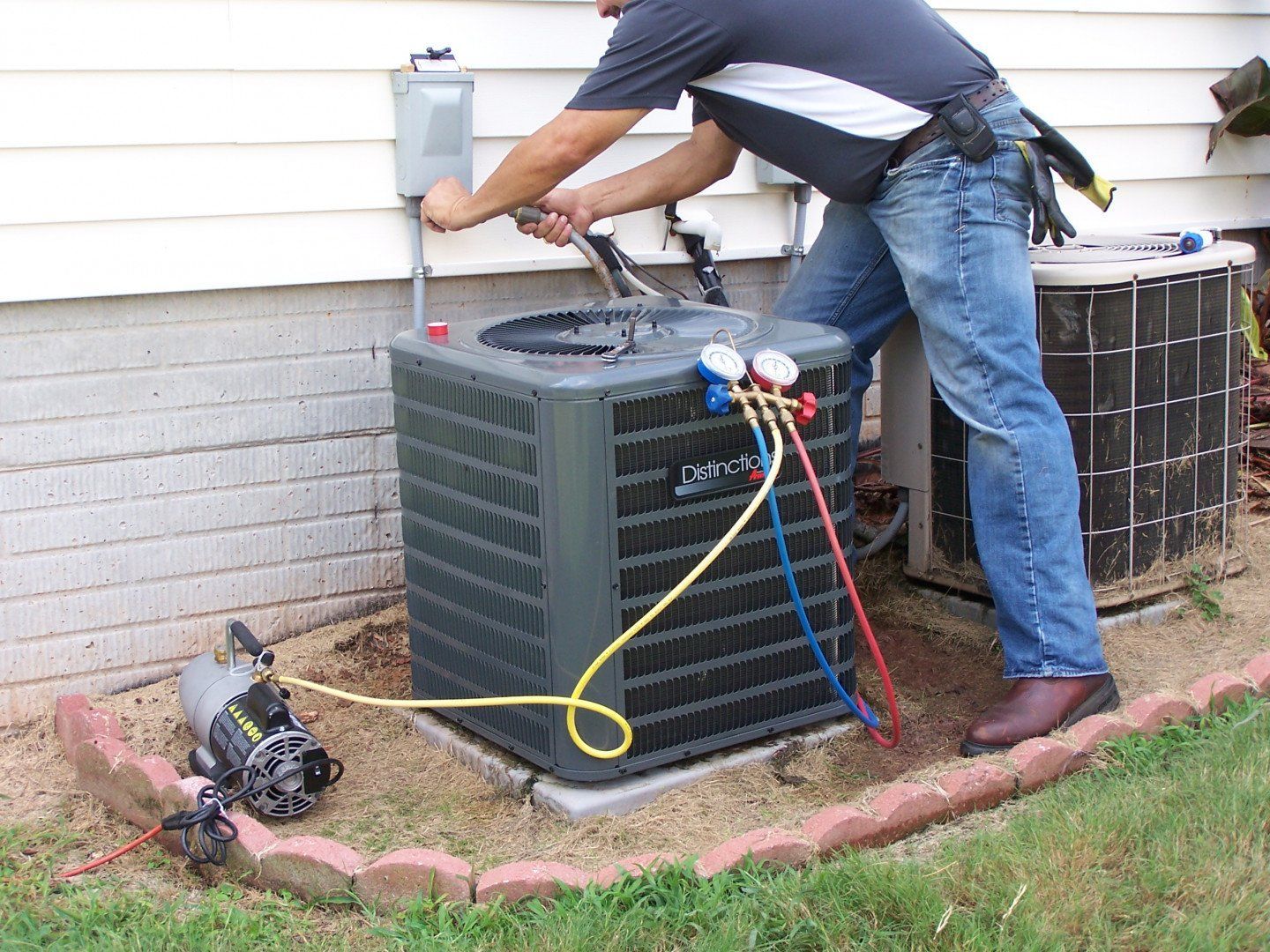
Professional AC leak repair involves specialized tools, proper testing procedures, and EPA-regulated refrigerant handling. Simply adding refrigerant without fixing the leak only provides temporary relief.
Experienced technicians use advanced methods to:
- Locate hidden leaks
- Repair damaged refrigerant lines
- Test system pressure
- Verify refrigerant charge levels
- Confirm proper cooling performance
Comprehensive HVAC diagnostics also help identify any secondary issues that may have developed while the system was operating under stress.
Investing in professional AC repair services offers several benefits:
- Improved cooling performance
- Lower energy consumption
- Reduced strain on system components
- Better indoor comfort
- Longer equipment lifespan
The goal is not just restoring operation today. It is helping your system continue performing efficiently long into the future.
When refrigerant leaks are addressed properly, homeowners often notice immediate improvements in comfort, airflow, and overall system performance.
Contact Ace Air Conditioning for Professional AC Leak Repair and HVAC Diagnostics in Tyler, TX
If your cooling system is struggling to keep up, Ace Air Conditioning is ready to help. Our team provides professional AC leak repair, detailed HVAC diagnostics, and dependable AC repair services for homeowners throughout Tyler, Chandler, Noonday, Flint, Whitehouse, New Chapel Hill, and Swan. With more than 30 years of experience, we know how to identify HVAC problems accurately and deliver solutions that restore comfort and efficiency.
In addition to AC leak repair, we also offer air conditioning installation, heating repair, and HVAC maintenance services to help keep your system operating at its best year-round. Call Ace Air Conditioning today at (903) 360-7223 to schedule service and get your home back to comfortable temperatures.
Frequently Asked Questions
How do I know if my AC has a refrigerant leak?
Common signs include weak cooling, longer run times, ice buildup on coils, hissing noises, and rising energy bills. Professional HVAC diagnostics can confirm whether a refrigerant leak is present.
Can I keep using my AC if it has a refrigerant leak?
While the system may continue operating temporarily, doing so can place additional stress on major components and lead to more expensive repairs over time.
How long does AC leak repair usually take?
The timeline depends on the location and severity of the leak. Many repairs can be completed during a standard service visit once the issue is properly identified.
Why are HVAC diagnostics important before repairs?
HVAC diagnostics help identify the exact source of the problem, reducing guesswork and ensuring repairs address the root cause rather than just the symptoms.
How often should my HVAC system be inspected?
Most systems benefit from professional inspections and maintenance twice per year, typically before the cooling and heating seasons begin.