Seasonal HVAC maintenance in Tyler is one of the smartest investments a homeowner can make. East Texas weather is relentless, and your heating and cooling system takes the full hit every single year.
Ace Air Conditioning has seen firsthand what happens when systems go without regular care. The result is almost always a costly emergency at the worst possible moment. A little preventative attention goes a long way toward avoiding that outcome.
 Button
Why Tyler's Climate Makes Maintenance Non-Negotiable
Tyler sits squarely in a climate that demands a lot from HVAC equipment. Summers push past 100°F with heavy Gulf Coast humidity layered on top. Winters bring sudden, sharp cold fronts that catch unprepared systems off guard.
That combination means your system rarely gets a true break. It transitions from extreme cooling demand directly into heating season. Without regular check-ups, components wear down faster than they should.
Skipping seasonal maintenance doesn't save money. It delays a bill and makes that bill much larger when it finally arrives.
What a Spring Maintenance Visit Should Cover
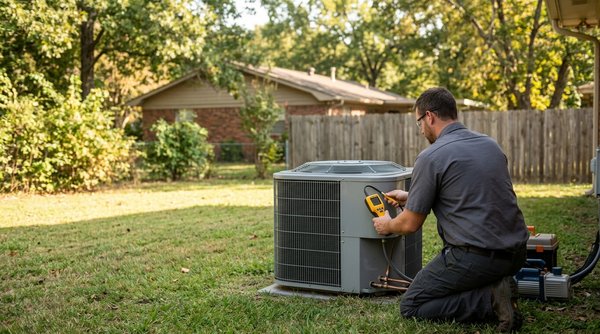
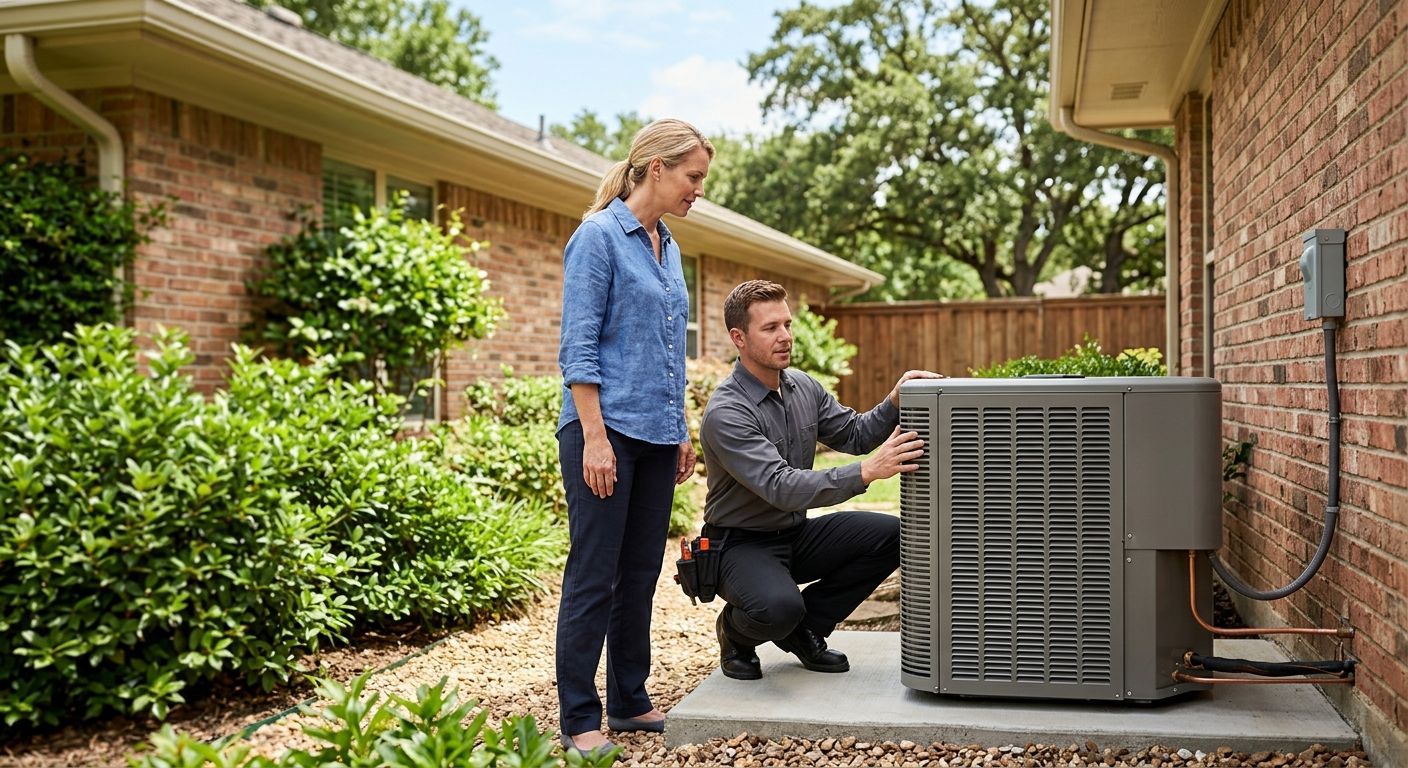
Spring is the most critical maintenance window in East Texas. You want your AC ready before the first brutal heat wave arrives in late May or June.
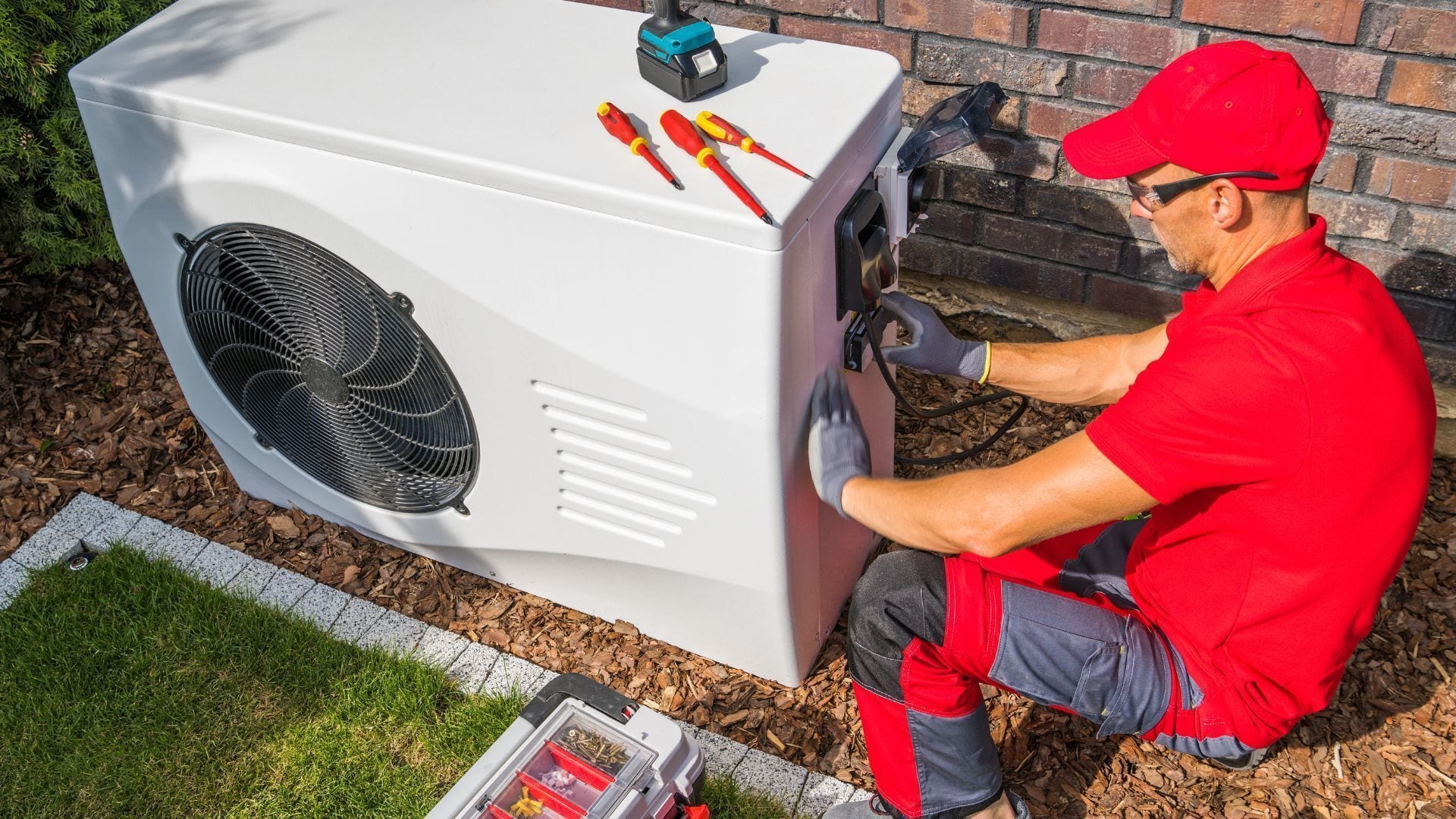
A thorough spring visit should include all of the following:
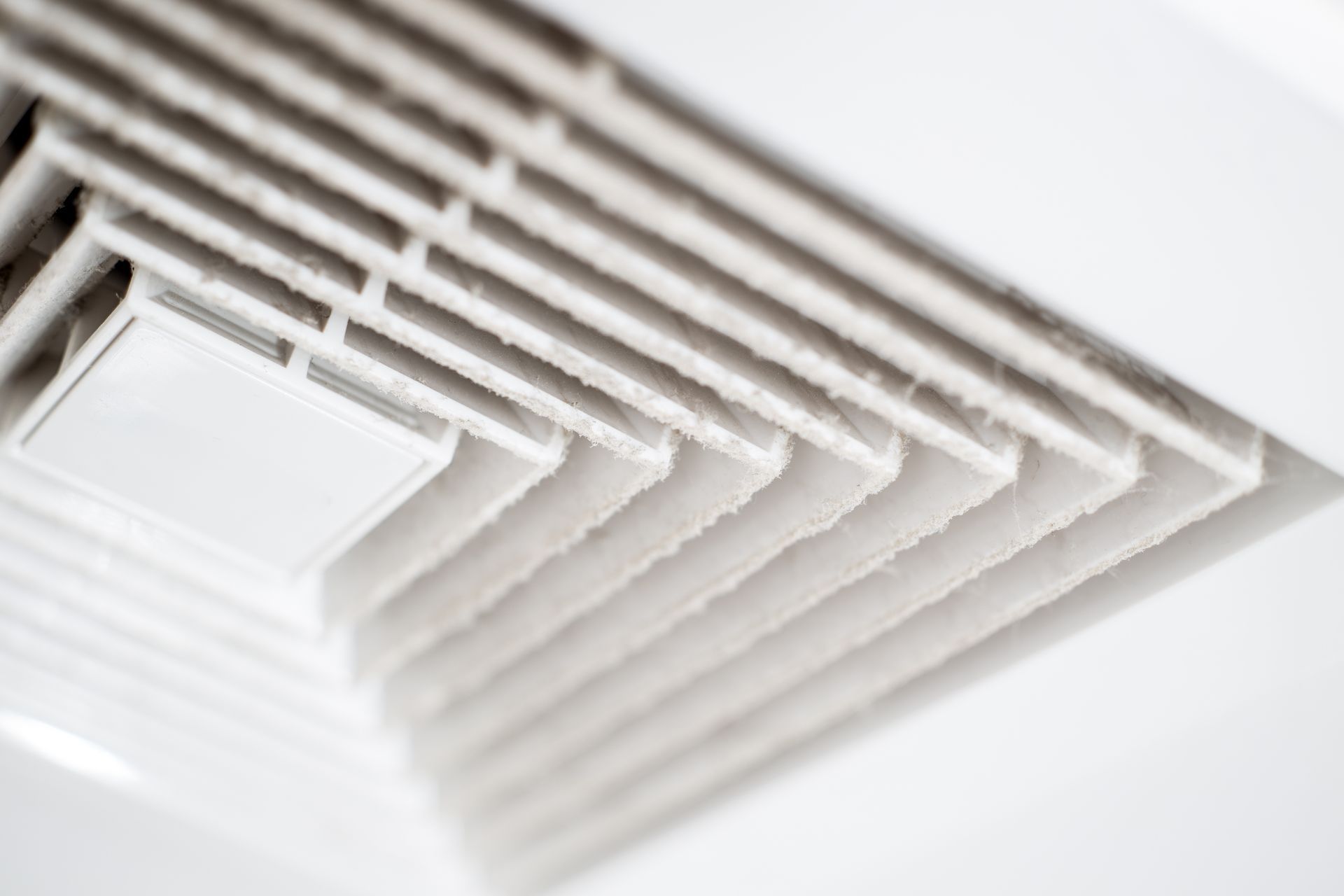
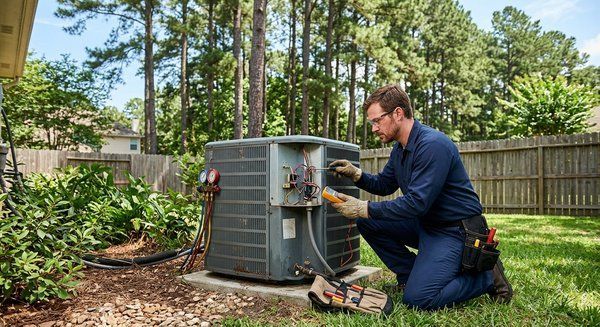
- Coil cleaning: Dirty evaporator and condenser coils force the system to work harder. That extra strain shortens the compressor's life.
- Condensate drain clearing: High humidity means condensate drains fill up fast in Tyler. A clogged drain leads to water damage and mold growth.
- Refrigerant level check: Low refrigerant is a top cause of systems running constantly without cooling properly.
- Capacitor and contactor inspection: These small components fail more often than people realize. Catching a weak capacitor early prevents compressor failure.
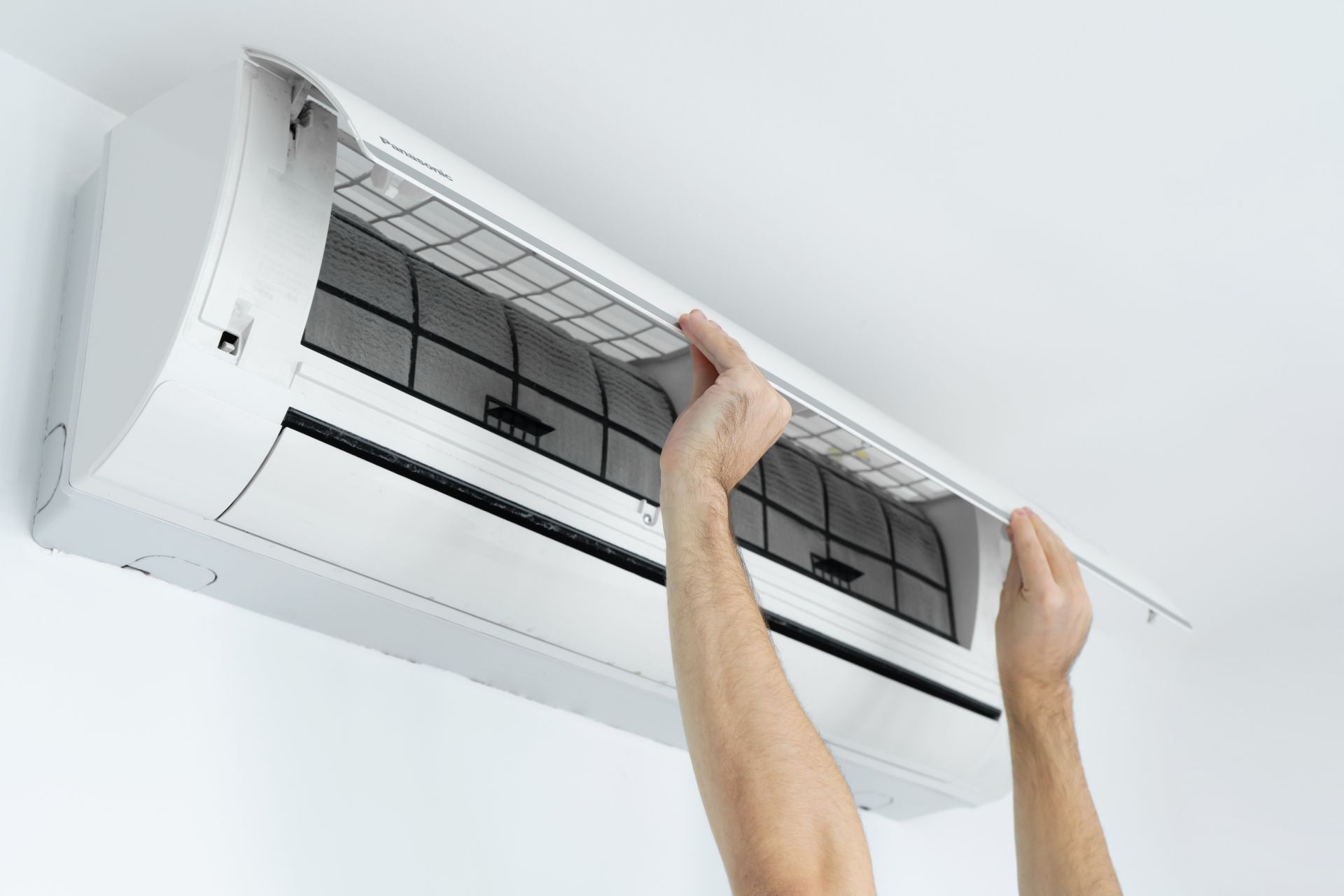
- Filter replacement: A clogged filter restricts airflow and forces the blower motor to overwork.
- Electrical connection tightening: Loose connections cause inefficiency and can create a fire hazard over time.
Each of these tasks is straightforward on its own. Together, they form a complete picture of your system's health heading into summer.
The Hidden Danger of "Thermal Overload" in East Texas Summers
When temperatures exceed 100°F, your AC runs almost continuously. That constant operation creates a condition professionals call thermal overload. The system overheats, capacitors pop, and humidity overwhelms condensate drains.
This is not a rare event in Tyler. It is a predictable seasonal pattern. Systems that skipped spring maintenance are the ones most vulnerable when it hits.
One of the most common summer calls is a homeowner reporting that the AC runs all day but never cools the house down. That scenario often points to restricted airflow from dirty filters, low refrigerant, or ductwork problems. Custom sheet metal fabrication can sometimes resolve severe ductwork issues that standard components cannot fix.
Keeping coils clean and filters fresh monthly during summer reduces stress on every working part.
Seasonal HVAC Maintenance in Tyler: Don't Forget Fall
Fall maintenance is easy to overlook because the weather finally feels pleasant. That comfort can create a false sense of security. Your heating system has been idle for months, and East Texas cold fronts arrive without much warning.
A fall heating check should address:
- Burner inspection: Clogged gas burners are a leading cause of sudden heating failures when temperatures drop.
- Igniter condition: Cracked igniters are common in systems that have sat unused. They fail at the exact moment you need heat most.
- Heat exchanger inspection: Cracks here can allow carbon monoxide to enter living spaces. This is a safety issue, not just a comfort issue.
- Blower motor check: A weak blower motor reduces heated airflow and raises energy bills throughout winter.
- Thermostat calibration: A miscalibrated thermostat causes short cycling and uneven temperatures.
Catching these issues in October is far less stressful than dealing with them during a hard freeze in January.
How Repairs and Maintenance Work Together in 2026
The HVAC industry in 2026 is seeing a strong shift toward repair-driven decisions. Rising equipment costs mean more homeowners are choosing to extend the life of existing systems rather than replace them immediately. That strategy only works if maintenance is consistent.
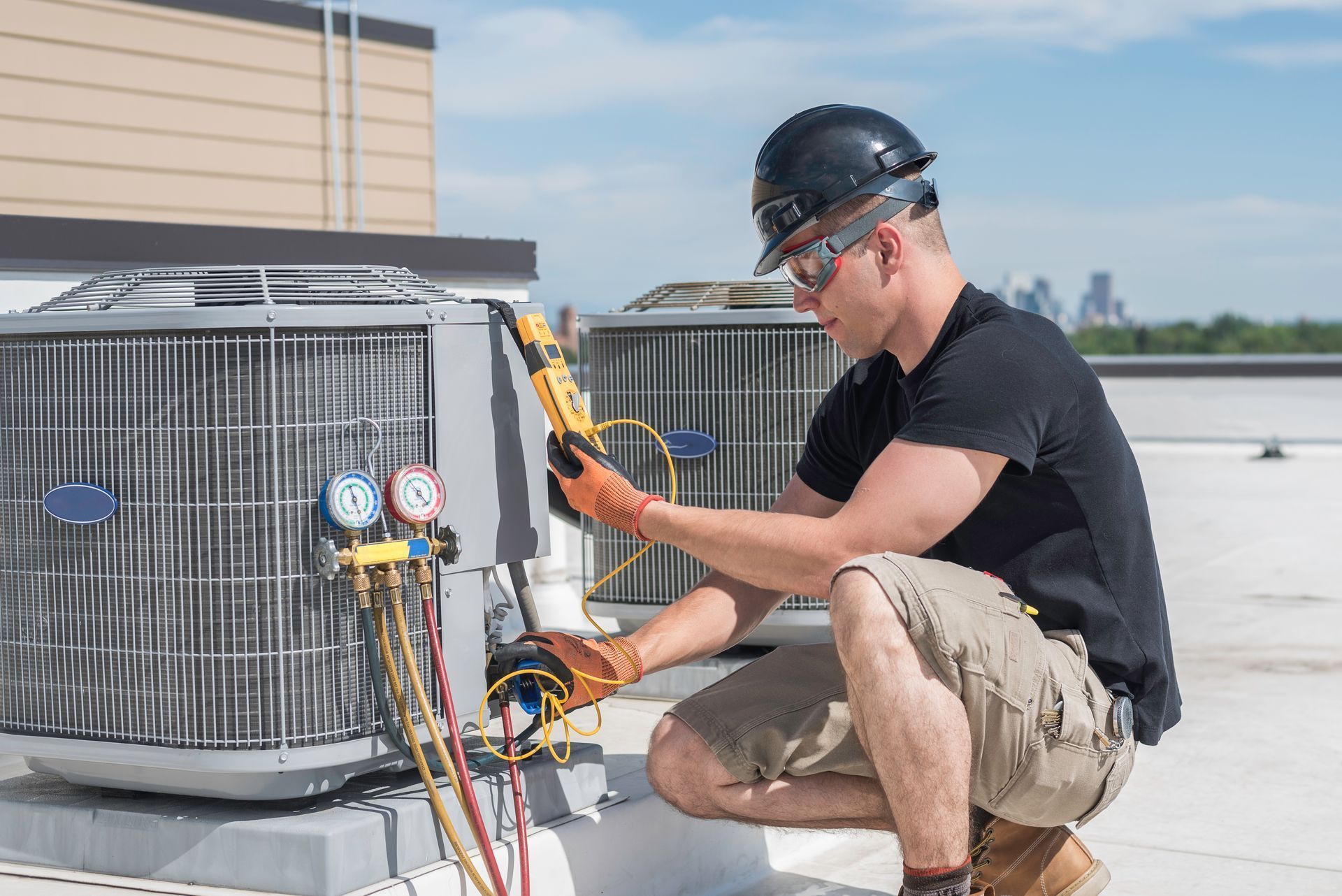
Deferred maintenance accelerates wear on every component. A system that might last another five years with proper care can fail within two years without it. Regular HVAC troubleshooting during maintenance visits catches failing parts early, before they take out more expensive components.
The refrigerant landscape has also shifted. Systems running on older R-410A refrigerant now face higher costs for that refrigerant because manufacturers no longer produce new equipment using it. If your system has a refrigerant leak, fixing it promptly during a maintenance visit is far cheaper than repeatedly topping off a leaking system at today's elevated prices.
Signs Your System Needs Attention Right Now
Do not wait for a full maintenance appointment if you notice any of these warning signs:
- The system runs constantly but struggles to reach the set temperature.
- You hear unusual grinding, clicking, or rattling sounds during operation.
- Your energy bills have risen without a change in usage habits.
- There is visible moisture or water pooling near the indoor unit.
- Certain rooms are noticeably hotter or colder than the rest of the home.
These symptoms rarely resolve on their own. They tend to get worse under the stress of Tyler's extreme summers or sudden winter cold snaps.
How often should I schedule HVAC maintenance in Tyler?
Twice per year is the standard recommendation. Schedule a cooling system check-up in spring and a heating system check-up in fall to cover both seasons properly.
Can I do any maintenance tasks myself?
Yes. Changing air filters monthly during heavy-use seasons is something any homeowner can do. However, checking refrigerant levels, inspecting electrical components, and cleaning coils safely require professional tools and training.
What happens if I skip maintenance for a year or two?
Skipping maintenance increases the risk of unexpected breakdowns, shortens overall system lifespan, and typically results in higher energy bills. Small problems that a technician would catch early become large, expensive repairs.
Is maintenance worth it if my system is older?
Absolutely. Consistent maintenance is the most effective way to extend the useful life of an aging system. It also gives you a clearer picture of whether a replacement is becoming necessary before an emergency forces the decision.
Does refrigerant type affect my maintenance schedule?
Systems using older R-410A refrigerant need prompt attention when any leak is detected, because that refrigerant now costs significantly more to replace. Newer systems using R-454B or R-32 are more efficient and are designed with modern safety features, but they still require the same seasonal care.
Your Tyler home deserves a cooling and heating system that performs when the weather demands it most. Reach out to Ace Air Conditioning to schedule your seasonal maintenance visit and keep your system running reliably all year long.