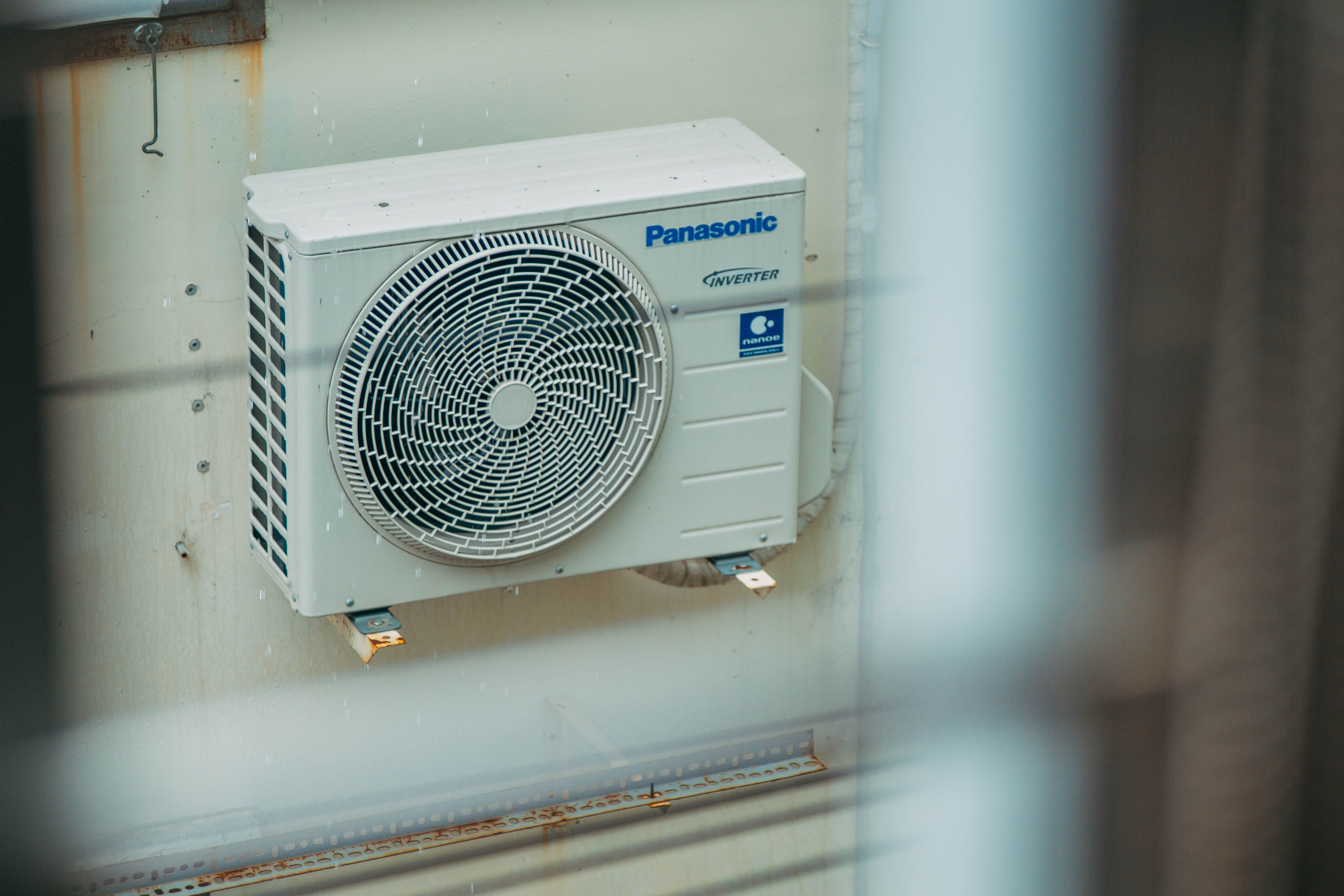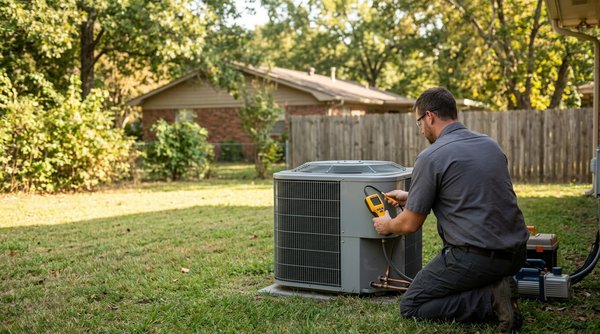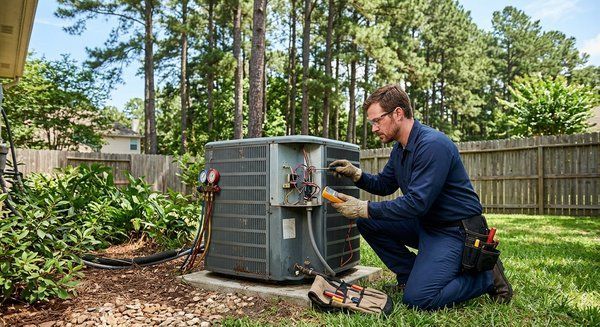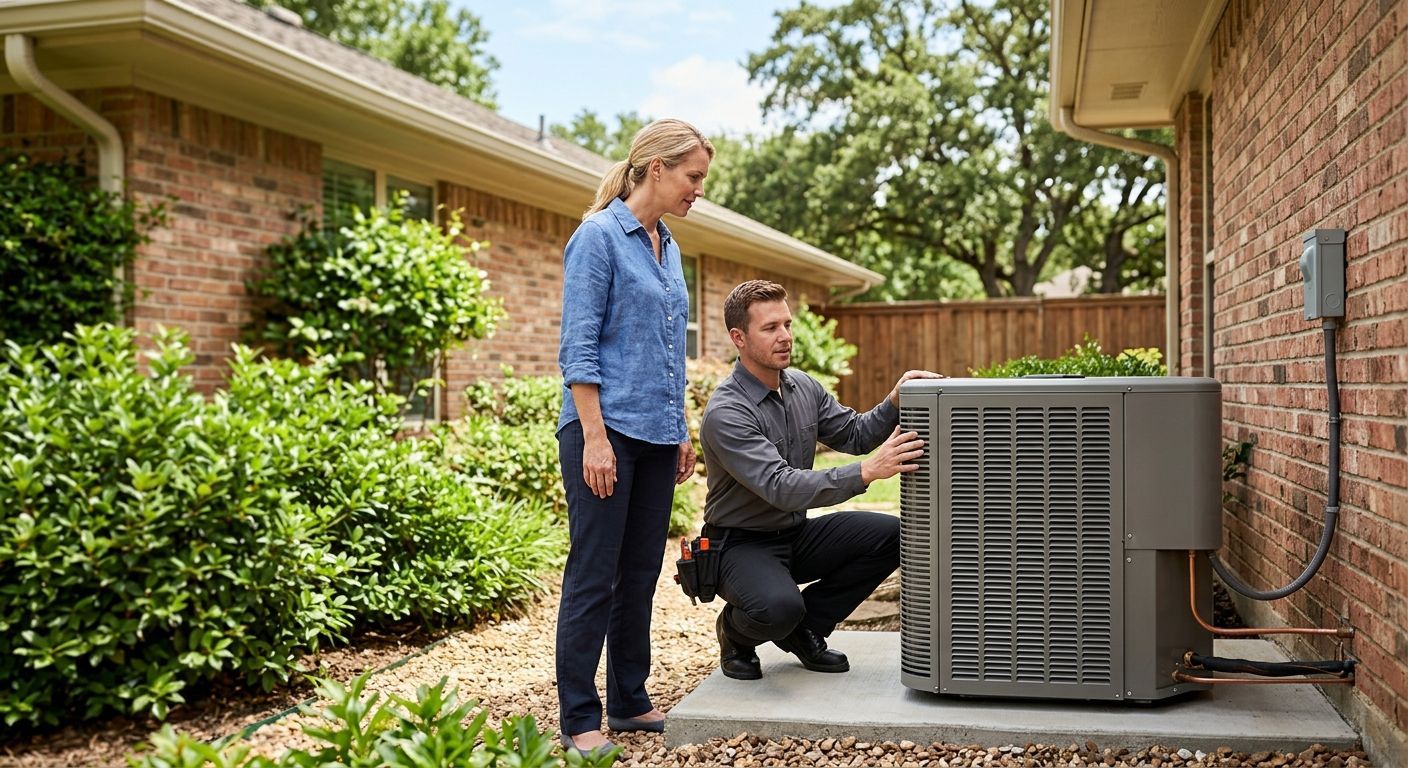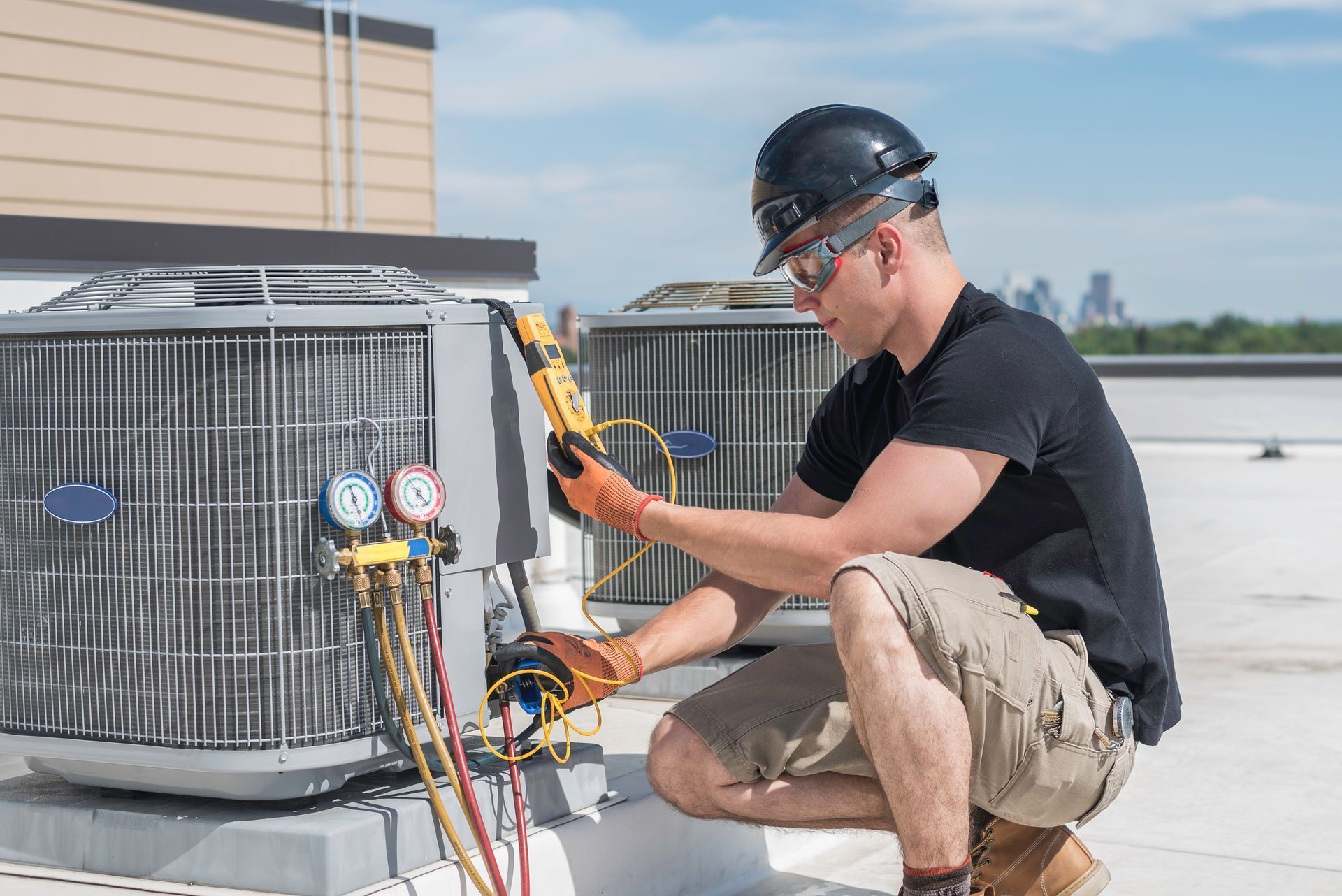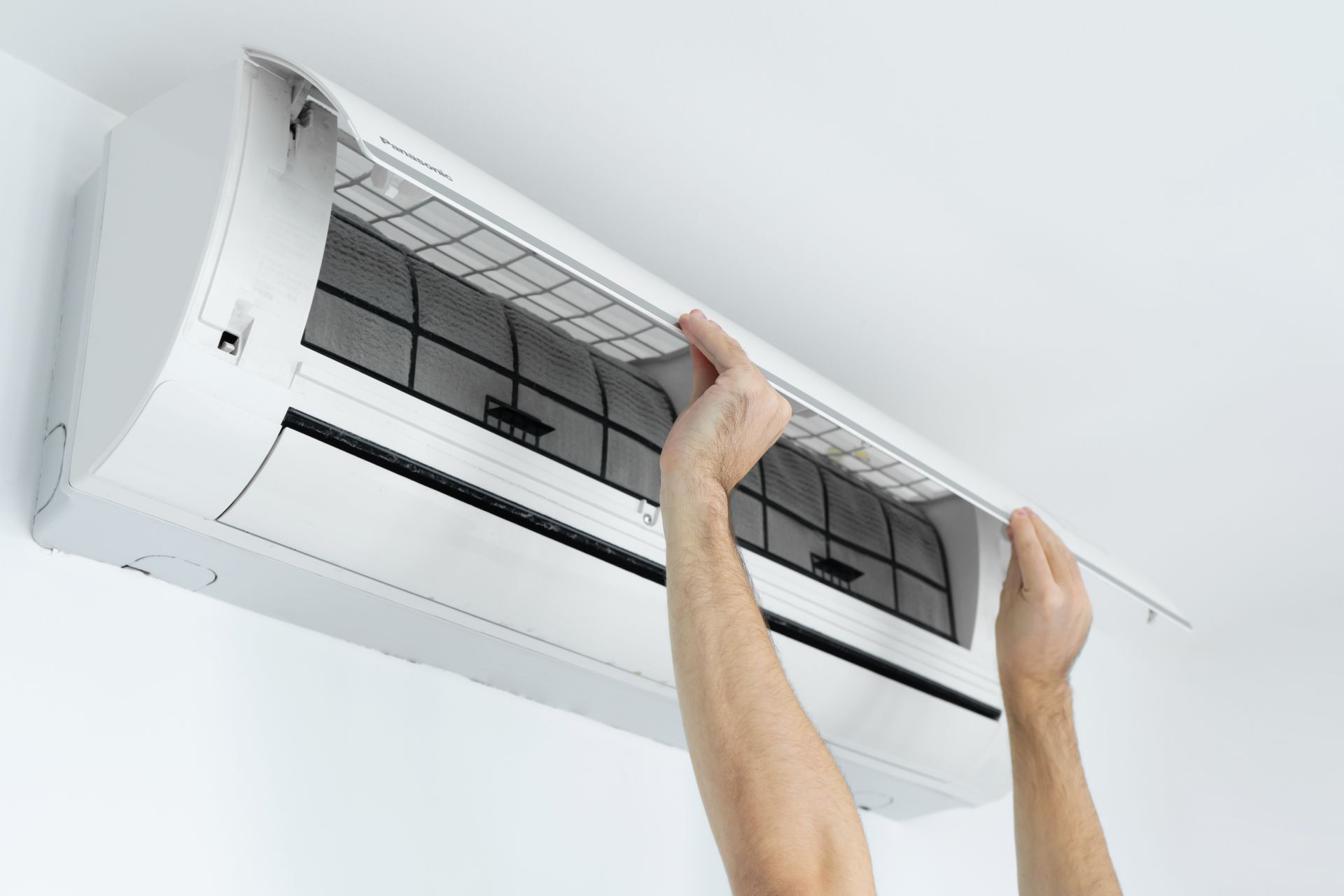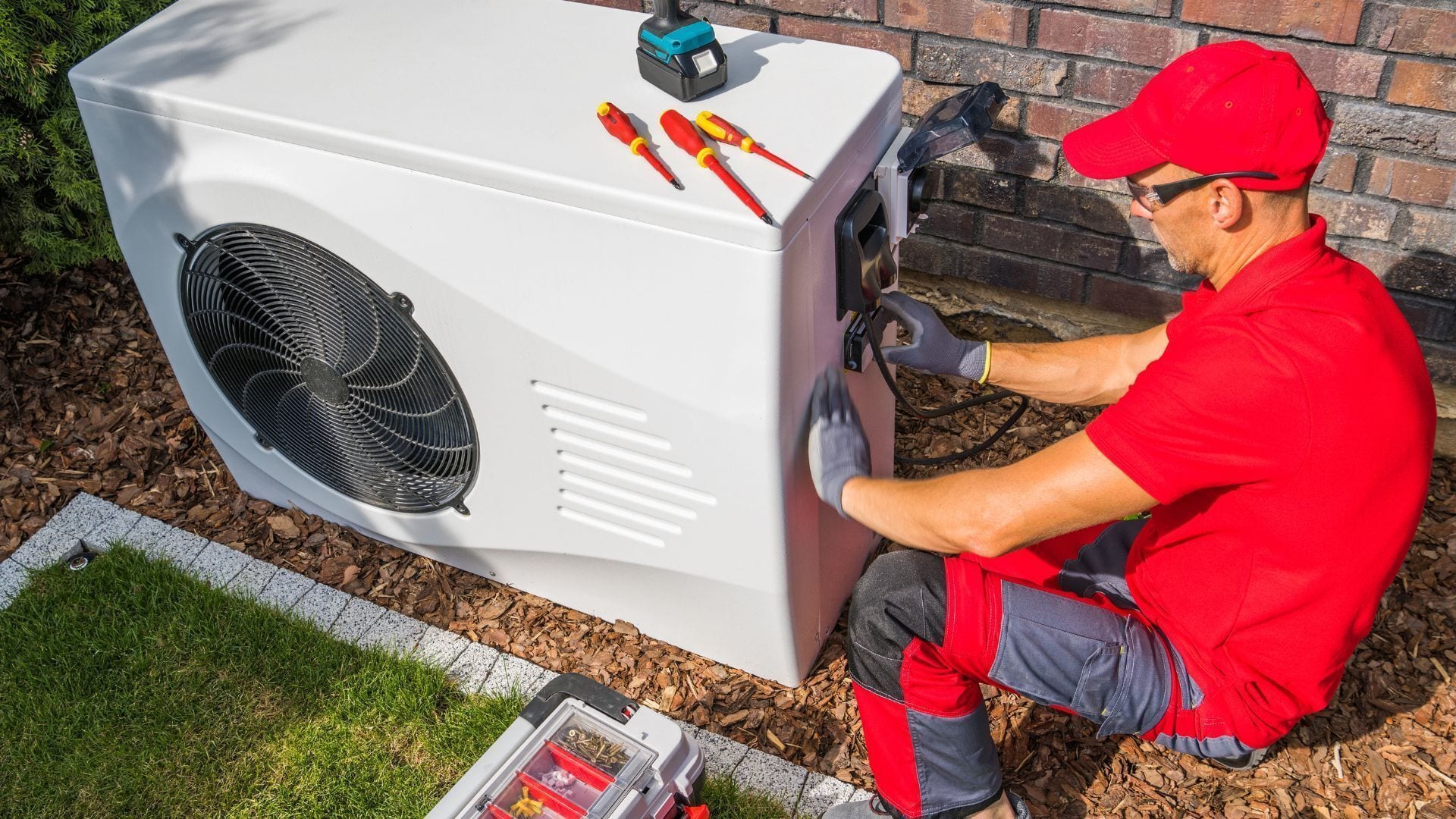

HVAC troubleshooting means systematically checking a heating or cooling system to find why it's not performing. Technicians usually start with airflow, power, and the thermostat. Only then do they move to deeper mechanical issues. When your furnace fires up for the first time this November, something can feel off. That same process gets your home warm again fast.
Tyler doesn't get brutal winters, but those first cold snaps always seem to expose problems that sat quietly all summer. A furnace that hasn't run since last winter can develop issues nobody noticed until the thermostat finally calls for heat.
 Button
Why Fall Start-Up Problems Catch Homeowners Off Guard
Systems sit idle for months in the area. Dust settles in the blower, pilot assemblies go unused, and small electrical connections loosen slightly over time. None of this shows up until you actually need the heat.
The result is a predictable pattern every autumn: homeowners flip the thermostat over from cooling to heating and discover something isn't right. A burning smell, a system that won't ignite, or air that never gets warm are all common complaints this time of year.
Common Signs That Call for HVAC Troubleshooting
Not every issue means a major repair. But ignoring small symptoms often turns a simple fix into an emergency call during the coldest week of the season.
Watch for these signs:
- The system isn't working at all, even after adjusting the thermostat
- Some rooms heat up while others stay cold
- The thermostat seems unresponsive or inaccurate
- You notice leaking around the indoor unit
- Strange sounds or odors appear when the furnace cycles on
If any of these sound familiar, it's worth having a technician look before the problem worsens. Our HVAC troubleshooting process is built to catch these issues early. It pinpoints whether the cause is something minor, like a clogged filter. Or it could be something more serious, like a failing component.
What a Thorough Diagnostic Actually Checks
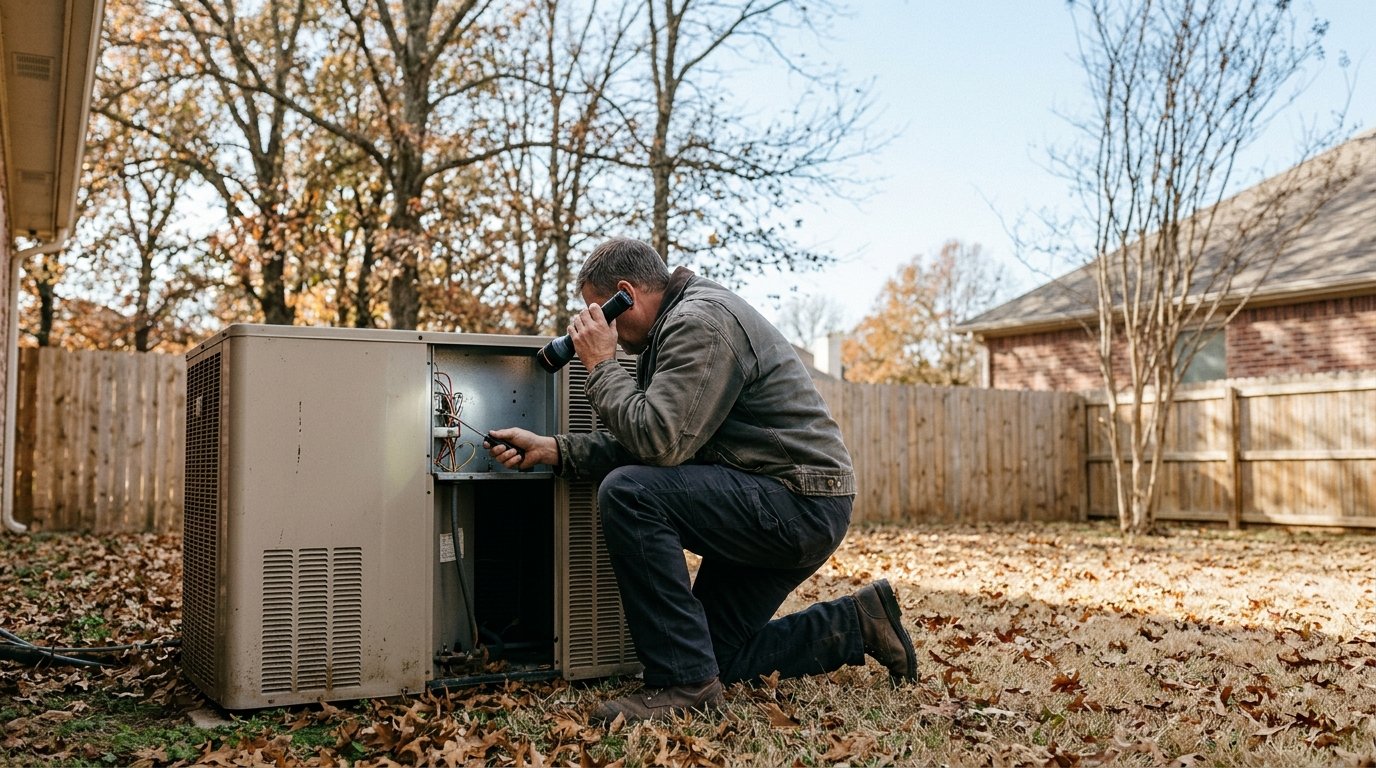
A proper diagnostic visit isn't guesswork. Technicians typically work through a specific list of trouble spots that cause the majority of cold-weather callouts:
- Debris clogging the outdoor unit or intake
- Blocked vents or returns restricting airflow
- Leaking ductwork pulling conditioned air into attics or crawl spaces
- Dirty coils or fans reducing efficiency
- Low refrigerant levels affecting heat pump performance
- General wear from age, especially on systems over a decade old
Each of these has a different fix, and some are far more affordable than others. That's why a real inspection matters more than a quick guess over the phone.
The Case for Getting Ahead of Problems
Industry data shows homeowners are leaning harder into preventive care rather than waiting for mid-season breakdowns, and it's easy to see why. Routine seasonal tune-ups can trim 15% to 20% off monthly utility costs by keeping equipment running at peak efficiency. That's a meaningful difference during the colder months when heating runs longer each day.
Preventive visits cut the odds of an emergency call. That matters most during a hard freeze, when every HVAC company in the region gets slammed with requests at once. Getting ahead of the rush means a technician can inspect your system on your schedule, not during a cold-weather crisis.
When Troubleshooting Points to Something Bigger
Sometimes a diagnostic reveals a problem that's not worth patching. An aging furnace with cracked components, or a heat pump leaking refrigerant, often costs more to keep repairing than it's worth. In cases like that, we'll walk you through your options. We won't push an unnecessary sales pitch. Our customers consistently tell us they appreciate that about working with our technicians.
Many homeowners in this situation are now moving toward variable-speed systems and hybrid heat pumps. These units run longer, gentler cycles instead of blasting on and off, which means steadier indoor temperatures and lower energy use. A hybrid heat pump can also handle summer cooling. It switches over to gas heating when temperatures drop. That cuts down on how often you'd need separate furnace repairs. If your current system is near the end of its life, it's worth discussing replacement options before winter fully sets in.
Getting Your System Ready This Month
November is the ideal window to act. Temperatures in Tyler are cool enough to reveal problems, but not yet cold enough to make a delayed repair miserable. A quick inspection now beats an emergency visit in the middle of a January freeze.
Ace Air Conditioning has handled this seasonal shift for homes and businesses across the area for years. The pattern is always the same. A little attention in fall saves a lot of stress in winter.
How long does a typical HVAC troubleshooting visit take?
Most diagnostic visits take under an hour, though the exact time depends on what the technician finds and how accessible your system is.
Can HVAC troubleshooting catch problems before they cause a breakdown?
Yes. Many issues, like a dirty blower or a loose electrical connection, show measurable warning signs before they cause a full system failure.
Is it normal for a furnace to smell odd the first time it's used each season?
A faint dust smell for a few minutes is common, but a persistent burning odor or any smell resembling gas should be checked immediately.
Should I get my system checked even if it seems to be working fine?
Yes. Many efficiency losses and early-stage component wear aren't noticeable to homeowners but show up clearly during a professional inspection.
Ready to get your heating system checked before the next cold front rolls through Tyler? Reach out to Ace Air Conditioning today to schedule your HVAC troubleshooting visit and head into winter with confidence.