The Smart Homeowner's Guide to AC Upgrades in Tyler, TX: What You Need to Know in 2026–2027
If you've been putting off dealing with that aging air conditioner, 2026 and 2027 may be the most financially strategic window Tyler homeowners have seen in years to finally take action. A mix of industry shifts, East Texas climate realities, and a limited-time state tax break are converging to make now a genuinely smart time to evaluate your cooling system. Ace Air Conditioning has spent over 30 years helping East Texas families navigate exactly these kinds of decisions, and the landscape right now has its own unique pressures and opportunities.
Here's what every Tyler homeowner should understand before the next brutal summer arrives.
 Button
The Refrigerant Price Spike Isn't Slowing Down
If your air conditioner runs on R-410A, the refrigerant found in the vast majority of systems installed over the last two decades, the cost picture around it keeps getting more expensive.
Under the EPA's AIM Act, production of R-410A has been cut sharply nationwide, and manufacturers have already shifted to next-generation refrigerants like R-454B and R-32 in new equipment. That means sourcing R-410A for repairs and recharges on older systems continues to cost noticeably more than it used to.
A routine refrigerant recharge today runs well above what it did just a few years back. If your older system develops a leak this summer, that repair bill will hit differently than it would have in 2022. For homeowners weighing repair versus replacement, this cost trend keeps tilting the math toward replacement sooner rather than later.
Tyler's Climate Makes Your AC Work Harder Than Almost Anywhere Else
East Texas heat comes paired with heavy humidity, and that combination stresses air conditioning systems in ways drier climates simply don't experience.
One issue that deserves more attention: clogged condensate drain lines. Tyler's humidity forces your AC to pull gallons of moisture from the air daily, and that condensate line becomes a magnet for algae, mold, and buildup. When it clogs, you're looking at one of two outcomes:
- A safety switch trips and shuts your AC down completely during a 100-degree afternoon.
- Water overflows and quietly damages ceilings, drywall, and flooring, often before you notice.
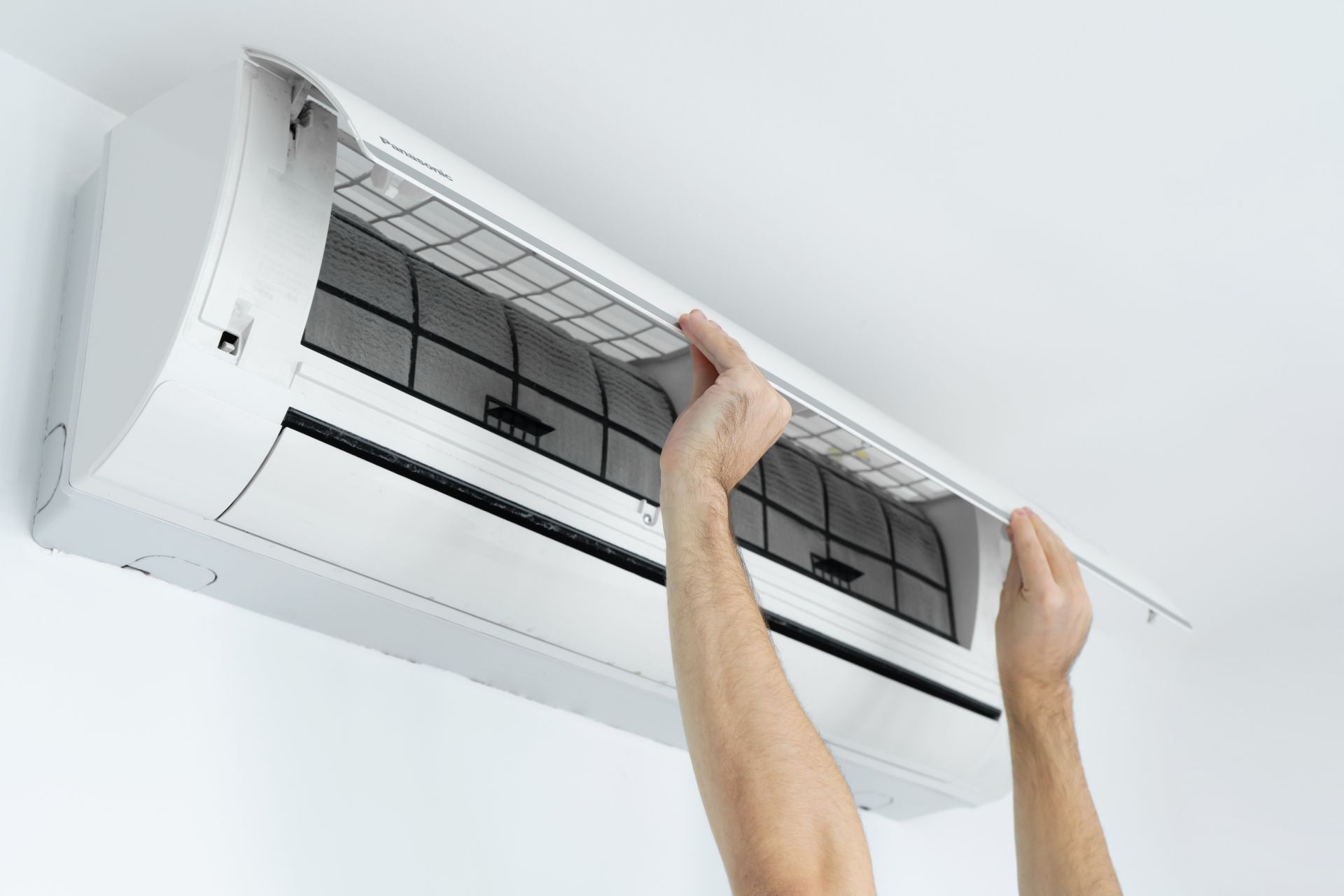
Routine professional maintenance, including drain line flushes and filter changes every one to two months during East Texas pollen season, remains your best defense. If your system is already straining under the humidity load, it's worth having it evaluated against what newer equipment can handle.
Severe Storms and the Invisible Surge Threat
Tyler's thunderstorms roll in fast and hit hard, and most homeowners think first about wind damage to the outdoor unit. The bigger, less visible threat is electrical.
Lightning strikes and sudden grid-switching events send voltage spikes through your home's wiring. Modern HVAC systems rely on sensitive digital components, like variable-speed compressors and electronic control boards, that a single surge can destroy outright. That kind of event can mean a repair bill of $3,000 or more, or a total loss of the unit.
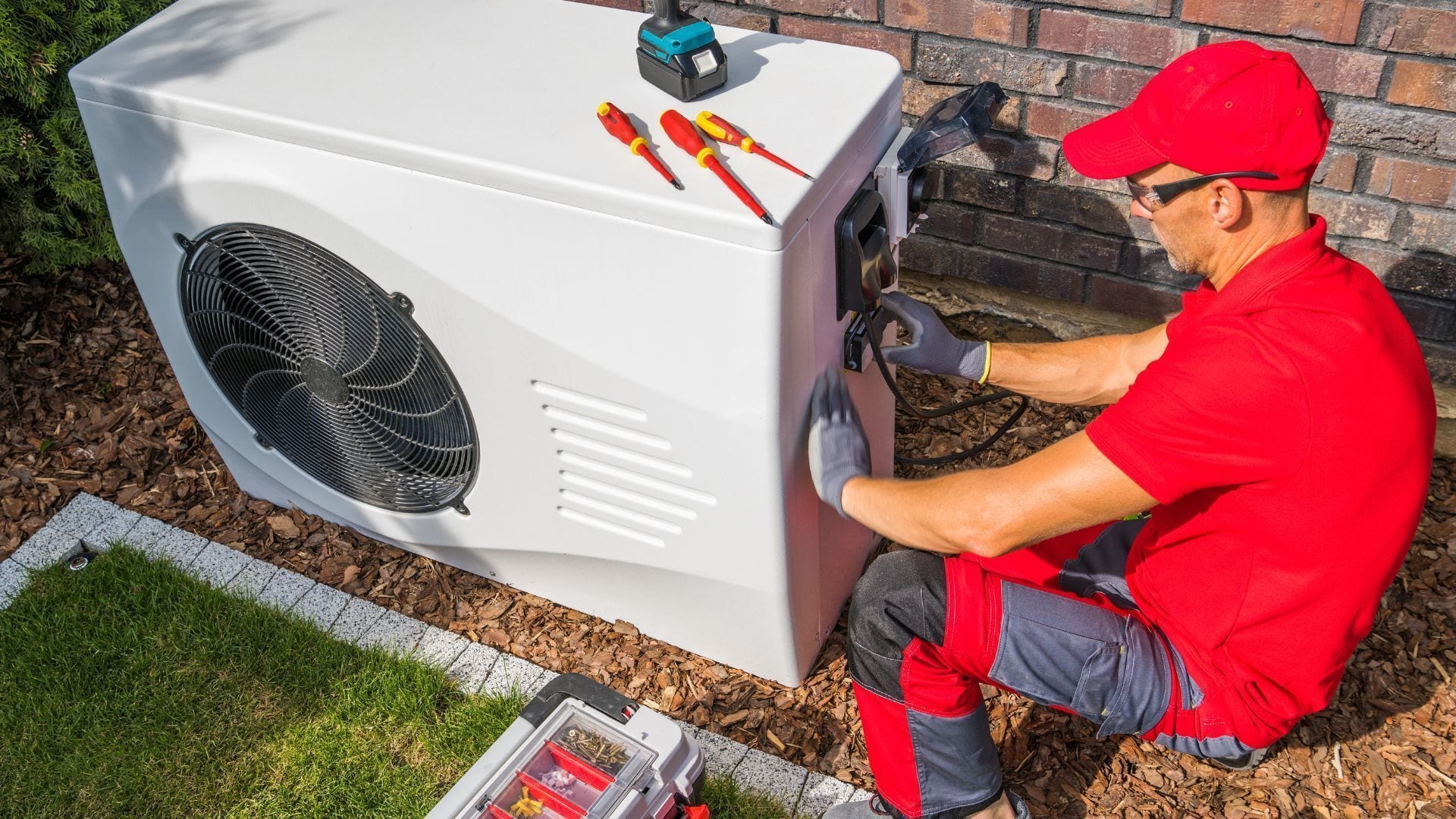
Homes with dedicated HVAC surge protectors see meaningfully less storm-related HVAC damage. Having a technician install surge protection built specifically for your system remains one of the most cost-effective safeguards available, especially if you've recently invested in newer, higher-efficiency equipment.
Efficiency Standards and the Texas Tax Exemption Window
Here's where things shifted since last year, and where Tyler homeowners still have real savings on the table.
The Department of Energy's minimum efficiency requirement for new central air conditioners in Texas remains 14.3 SEER2. These systems are built for the high static pressure and demands of southern-climate ductwork, and they deliver noticeably lower utility bills than older, lower-efficiency equipment.
On the federal side, the tax credit that previously offered up to $600 for a qualifying central AC or up to $2,000 for a high-efficiency heat pump expired at the end of 2025 and is not currently available for systems installed in 2026 or later.
The state-level opportunity, however, is still very much open. Texas Senate Bill 214 provides a sales tax exemption on qualifying Energy Star-certified HVAC systems, covering both equipment and installation labor, for sales made between March 1, 2026 and September 1, 2027. On a system costing several thousand dollars, skipping the 8.25% state sales tax represents real, immediate savings, no waiting on a future tax filing required. Because this exemption applies only to primary single-family residences and has a defined end date, homeowners considering a replacement have a genuine incentive to plan the project within that window rather than after it closes.
So: Should You Repair or Replace?
There is no universal answer, but here is a practical framework:
- Under 10 years old with minor repairs needed: Keep it running with proper maintenance. Focus on surge protection and regular drain line cleaning.
- 10 to 15 years old and running on R-410A: Get a professional evaluation. Rising R-410A repair costs, combined with the current SB 214 exemption window, may tip the math toward replacing sooner than you'd expect.
- Over 15 years old: Between refrigerant costs, aging components, climbing energy bills, and a state tax exemption that won't last forever, proactive replacement now often beats waiting for a breakdown to force the decision under the worst conditions.
Frequently Asked Questions About AC Upgrades in Tyler, TX
Does my current R-410A system need to be replaced right away?
Not necessarily. An R-410A system can keep running as long as it's operating properly. But if it needs a recharge or a significant repair, the rising cost of R-410A may make that repair more expensive than it's worth. A technician can help you weigh the repair cost against the benefits of replacing the system.
Is the Texas HVAC sales tax exemption still available?
Yes. Under Senate Bill 214, qualifying Energy Star-certified HVAC systems installed at a primary single-family residence are exempt from state sales tax on equipment and labor for sales made between March 1, 2026 and September 1, 2027. A licensed HVAC contractor can confirm whether a specific system qualifies.
Is there still a federal tax credit for a new AC or heat pump?
No. The federal Section 25C credit that offered up to $600 for a central AC or $2,000 for a heat pump expired December 31, 2025, and does not apply to systems installed in 2026 or later. It's worth checking for local utility rebate programs, which are separate from the federal credit and change periodically.
How often should I change my AC filter in Tyler, TX?
Given East Texas pollen levels and humidity, most homeowners should change filters every one to two months during active cooling season. A clogged filter reduces airflow, forces the system to work harder, and speeds up condensate drain line buildup.
What is a SEER2 rating and why does it matter for Texas homes?
SEER2 (Seasonal Energy Efficiency Ratio 2) is the current federal standard for measuring AC efficiency under real-world operating conditions. Higher SEER2 ratings mean lower energy costs. Texas requires a minimum of 14.3 SEER2 for new installations.
Is HVAC surge protection really worth it in Tyler?
Yes, especially in East Texas. Tyler's frequent severe thunderstorms and grid fluctuations put HVAC systems at real risk. A dedicated surge protector costs a fraction of what a single surge-related compressor or control board failure would run.
Don't wait for a 100-degree breakdown to find out where your system stands. Whether you need a maintenance check, surge protection, or a full system evaluation, getting ahead of it costs less than reacting to it.